Inspiring Aging Adults to Adopt Regular Exercise Through Inclusive Fitness Guidelines
Wiki Article
Staying physically engaged is important for individuals of every age group, but it grows especially important as persons mature. For seniors, consistent exercise supports preserving independence, supports mobility, and boosts general health. Comprehensive fitness plans provide older adults with systematic methods to fitness that address balance, mobility, strength, and endurance. By implementing well-designed fitness programs, elders can enhance their well-being while lowering the risks of injuries, chronic diseases, and mental health challenges.
Exercise for older adults is not restricted to demanding routines or rigorous fitness sessions. It concentrates instead on low-impact, gradual, and maintainable physical engagement that suits individual fitness conditions. Activities such as leisure walking, mobility work, gentle yoga, and strength conditioning assist maintaining range of motion and muscle tone. Heart-strengthening activities like aqua aerobics or stationary cycling enhance heart health, which are important for sustaining stamina and stamina. These types of exercise also support mental function, as findings have shown that regular exercise can enhance mental clarity, emotional well-being, and focus.
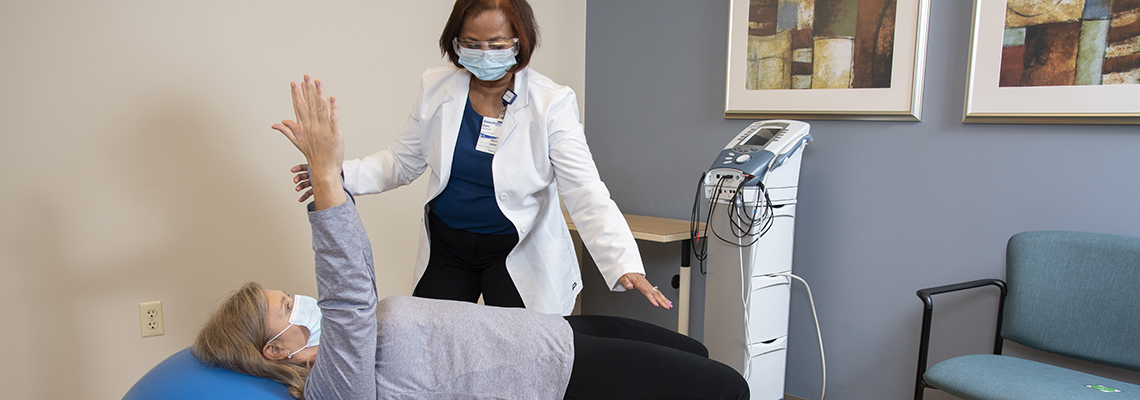
Holistic fitness recommendations highlight a integrated approach to health, integrating physical, mental, and interpersonal aspects of lifestyle. Participants are guided to begin slowly and move forward at a comfortable pace, maintaining injury prevention while avoiding strain. Adding warm-up and cool-down routines reduces muscle visit the site soreness, while appropriate hydration and diet enhance physical activity. Additionally, group fitness environments—such as community walking clubs or community walking programs—create chances for companionship, encouragement, and mental connection, which are crucial to overall health.
Expert assistance serves a important function in helping seniors build personalized fitness programs. Seeking advice from physicians, physical therapists, or certified fitness trainers guarantees that plans are adapted to specific health conditions, endurance, and objectives. These professionals can design effective workout protocols that consider elements such as joint conditions, skeletal weakness, or aerobic restrictions. Through ongoing monitoring and revision, training programs remain effective and enjoyable, supporting sustained engagement and progress.
In conclusion, empowering seniors to embrace exercise through inclusive training find here recommendations creates a mindset of healthy living. When participants are supplied with understanding, confidence, and organized systems, they develop assurance in their strength and appreciate greater freedom. Sustained fitness improves not only muscle capacity but also focus and emotional resilience. By prioritizing inclusive, well-guided fitness programs, communities can help that every senior has the opportunity to live a healthy, active, and fulfilling lifestyle.